FDA
Breakthrough Device Designation

Decision Support for Heart Failure Care Teams

Earlier clinical review and better visibility between visits

Who it Serves

Designed for the entire heart failure care continuum

Cardiology
Teams

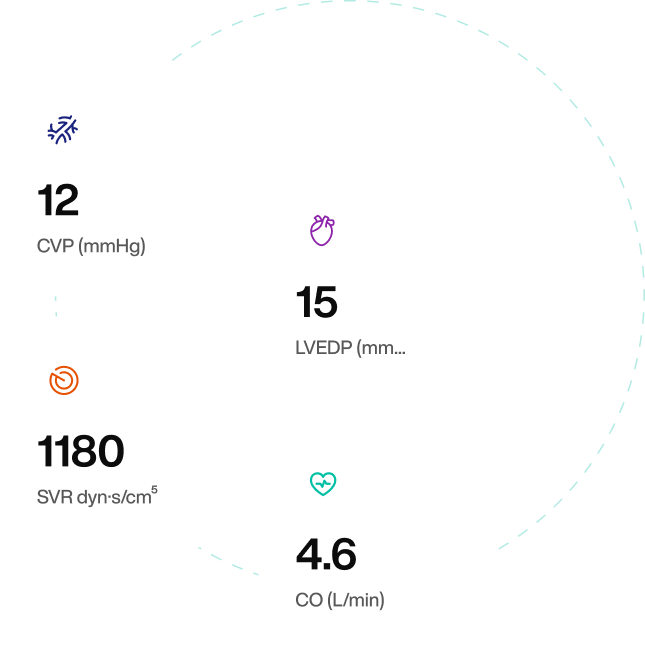
Receive alerts for escalation of LVEDP, CI, CVP, and SVR noninvasively to inform proactive care decisions.

Hospital
Operations

Unify hemodynamic data and workflow handoffs across the care continuum.

Health System
Leadership

Drive measurable value-based care through lower readmissions and reduced procedural burden.

The Challenge

Traditional cardiac monitoring is invasive, costly, and confined to the hospital

Fragmented Data Systems

Limited Visibility Between Visits

Invasive Procedure Burden

Workflow Fit

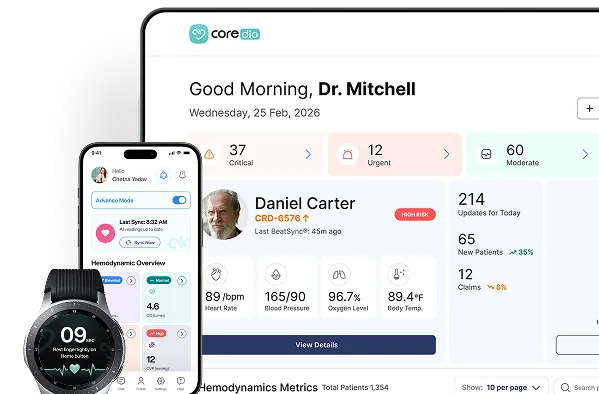
Coredio supports care teams from hospital to home without adding workflow fragmentation

Personalization

Daily Spot Checking

AI Hemodynamic Estimation

Clinical Review & Action

Impact

Clinical and financial value for hospital systems
Clinician using a tablet
~50% Projected readmission reduction (based on comps)
6 to 10x Projected hospital ROI
from improved quality metrics
Workflow Disruption minimized with device-agnostic approach
Spot-check Visibility between visits, in clinic and at home

Use Cases

Improve decision-making and patient safety with enhanced cardiovascular visibility
Left Ventricular End-Diastolic Pressure
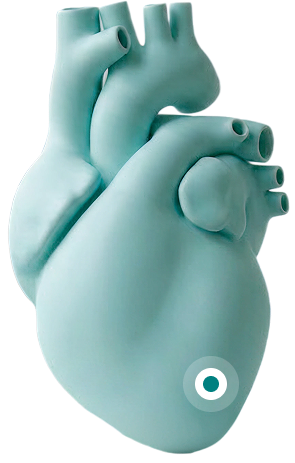
Left Ventricular End-Diastolic Pressure: LVEDP reflects left-sided filling pressure and pulmonary congestion. A rising LVEDP can flag worsening heart failure days before symptoms appear. 

Cardiac Index

Cardiac Index: Cardiac Index reports cardiac output normalized to body size, indicating whether the heart is delivering enough forward flow to meet the body’s metabolic demand. 

Central Venous Pressure

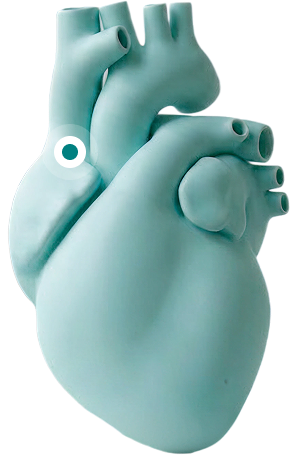
Central Venous Pressure: Central Venous Pressure reflects right-sided filling pressure and venous return. Elevated CVP can signal volume overload or right heart strain and is an early indicator of decompensation in heart failure.

Systemic Vascular Resistance

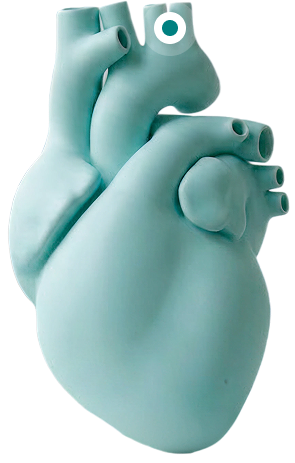
Systemic Vascular Resistance: Systemic Vascular Resistance reflects the afterload the left ventricle pumps against. Elevated SVR increases the heart’s workload and can reduce forward cardiac output, often signaling worsening heart failure.