

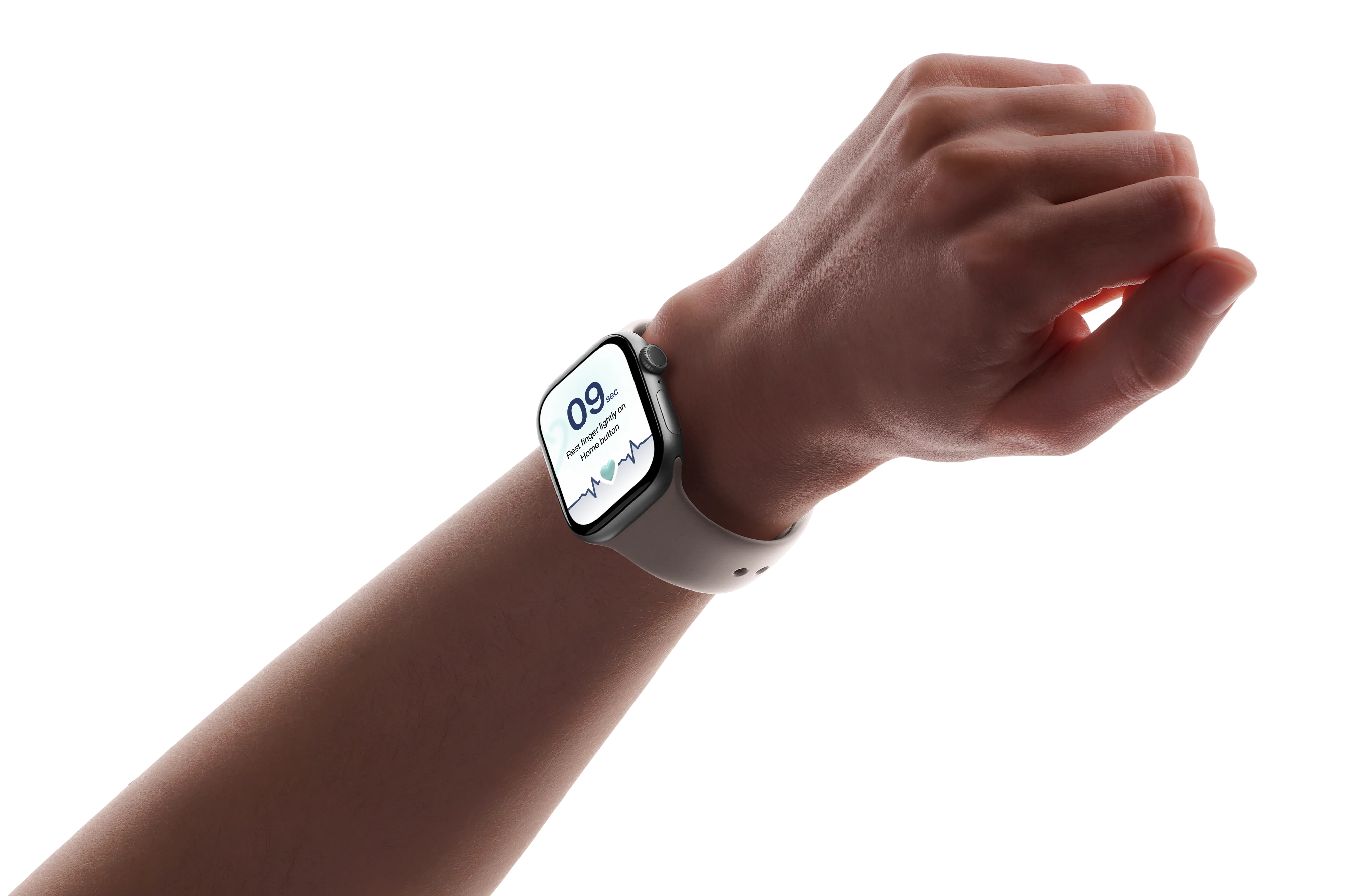
Set up before discharge,
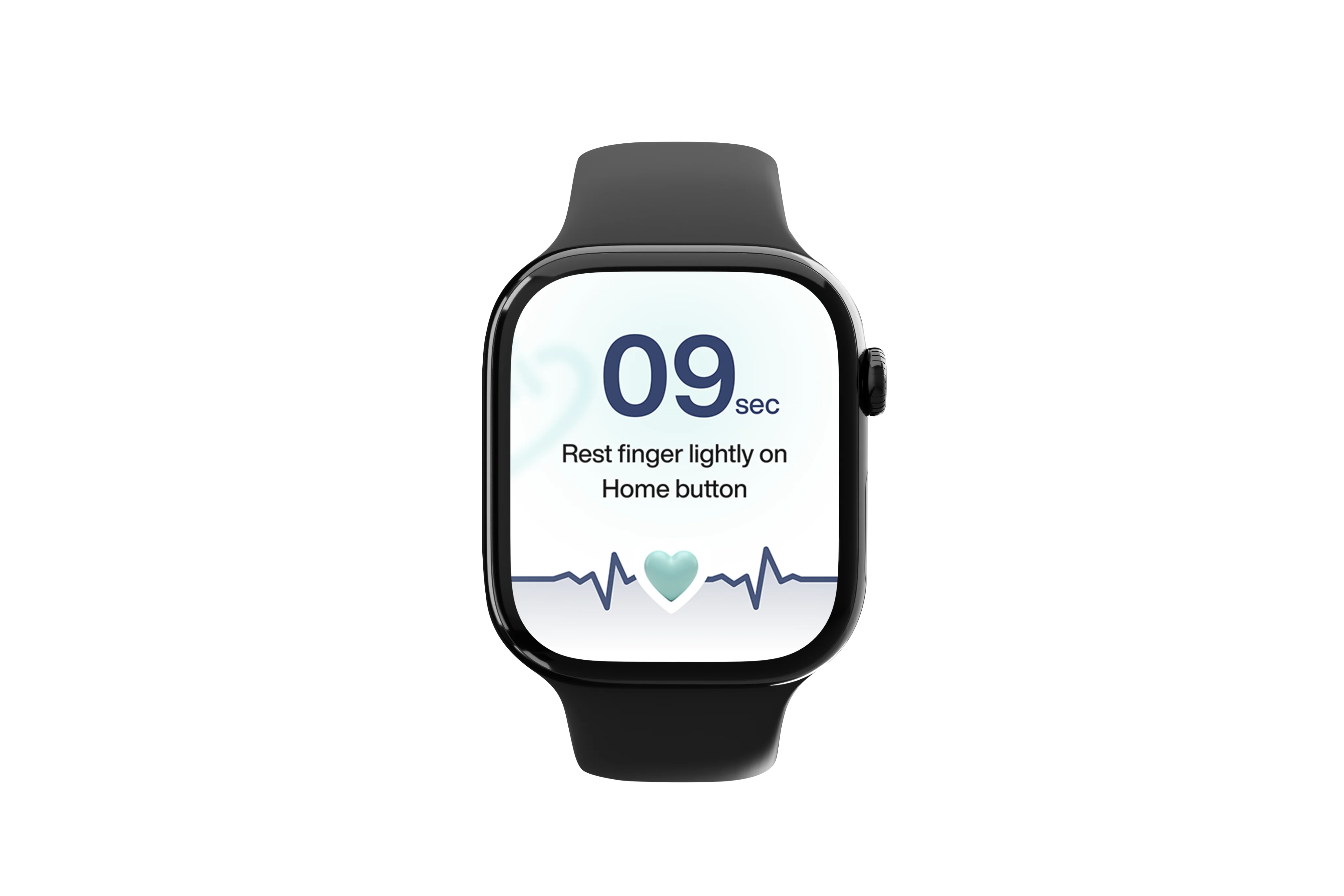
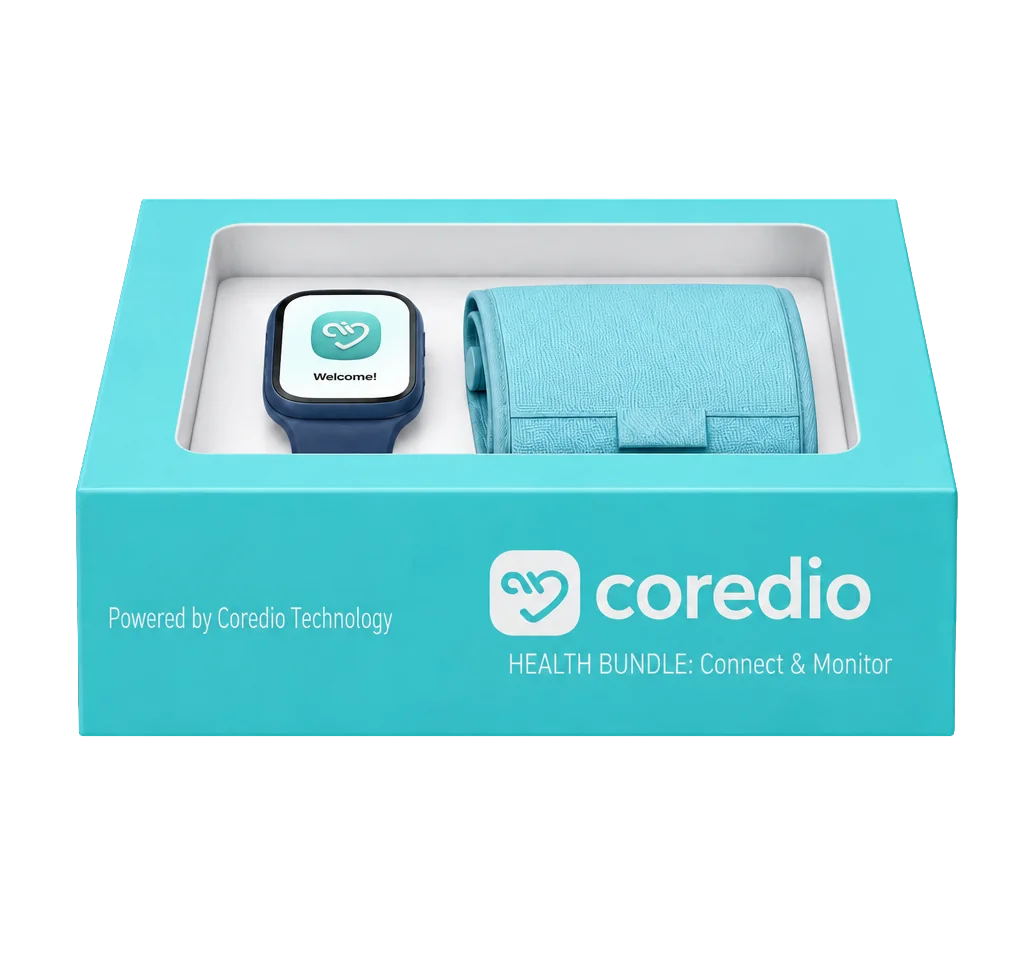
then a watch and cuff take over.

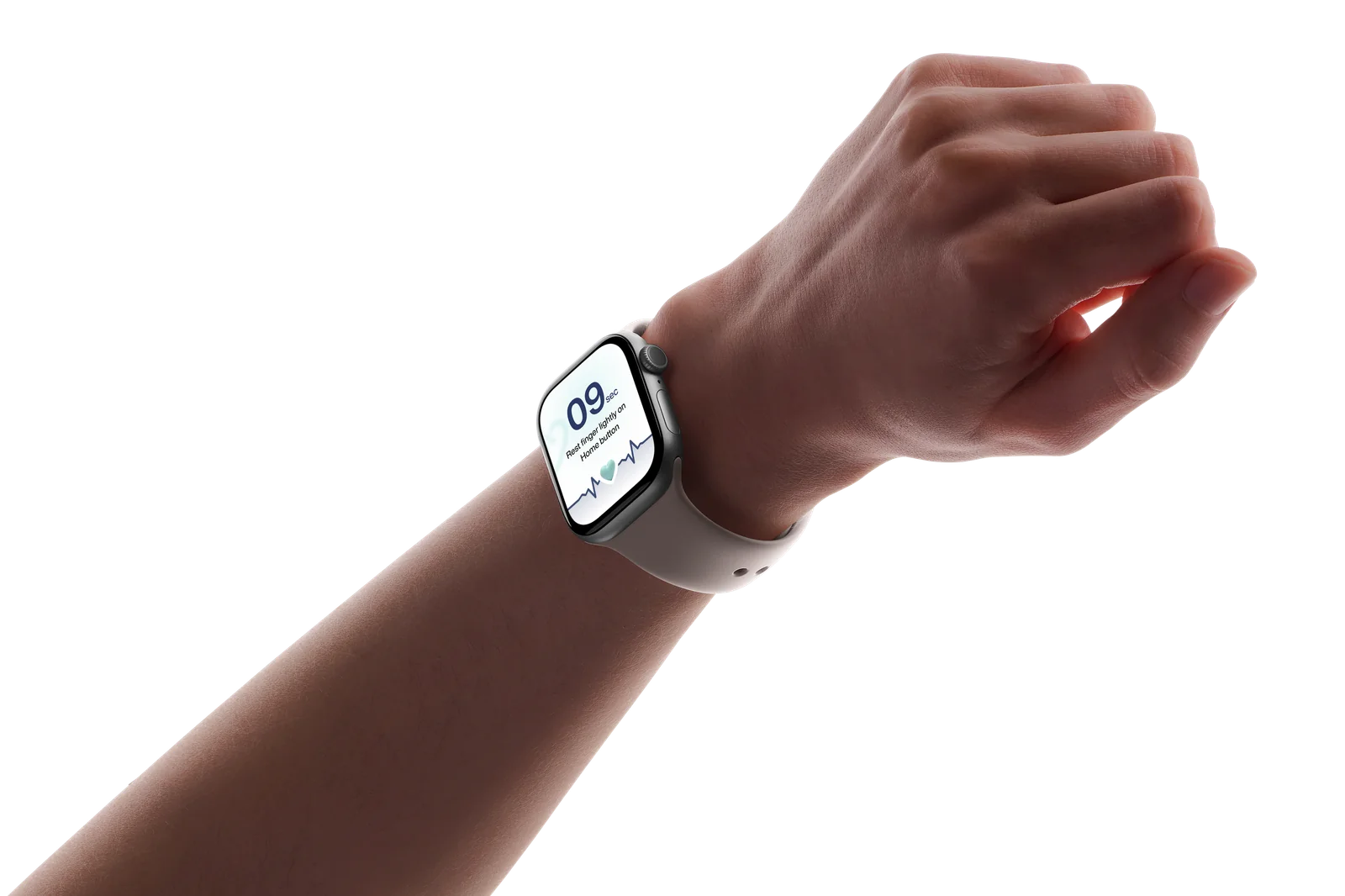
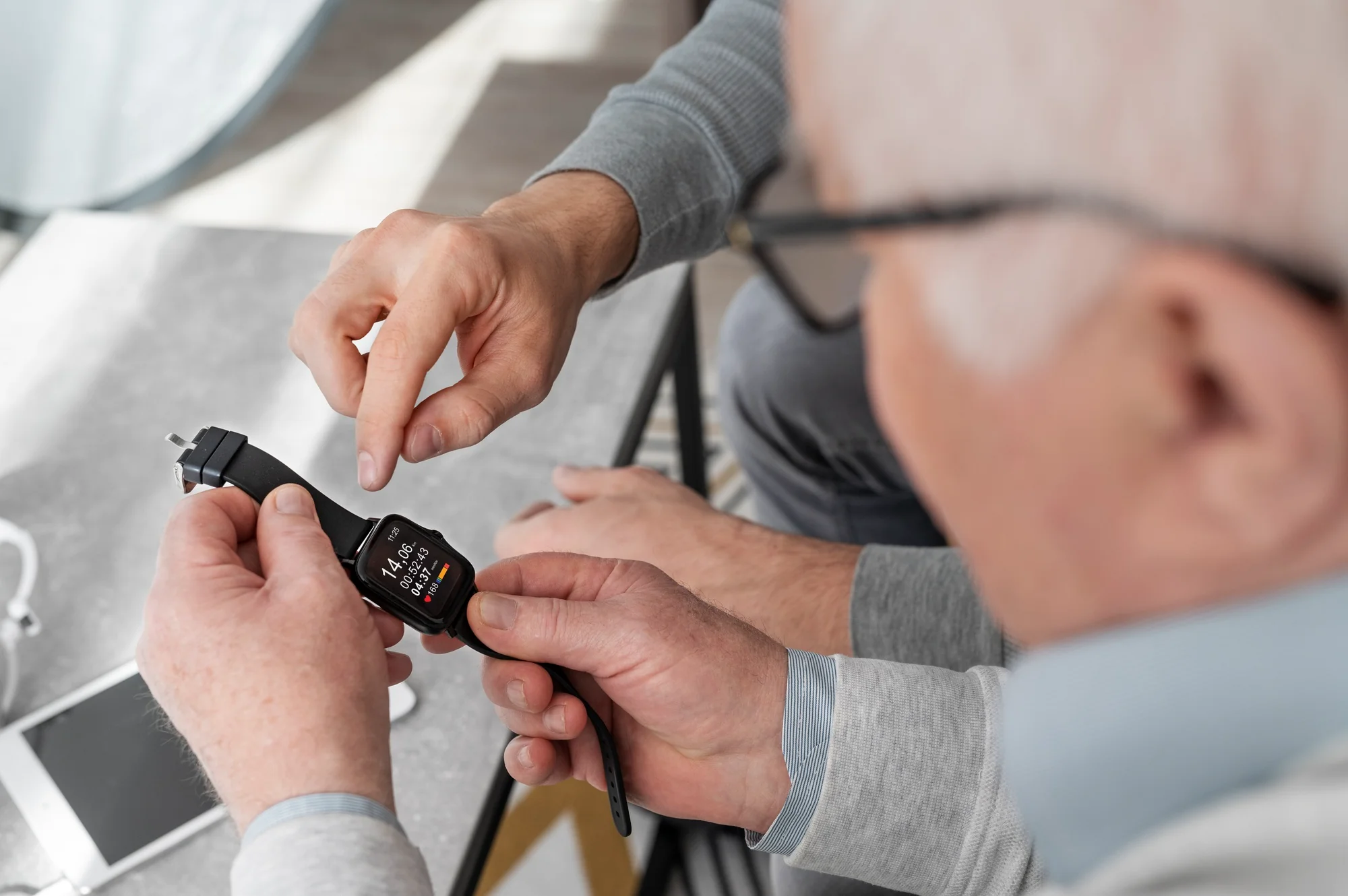
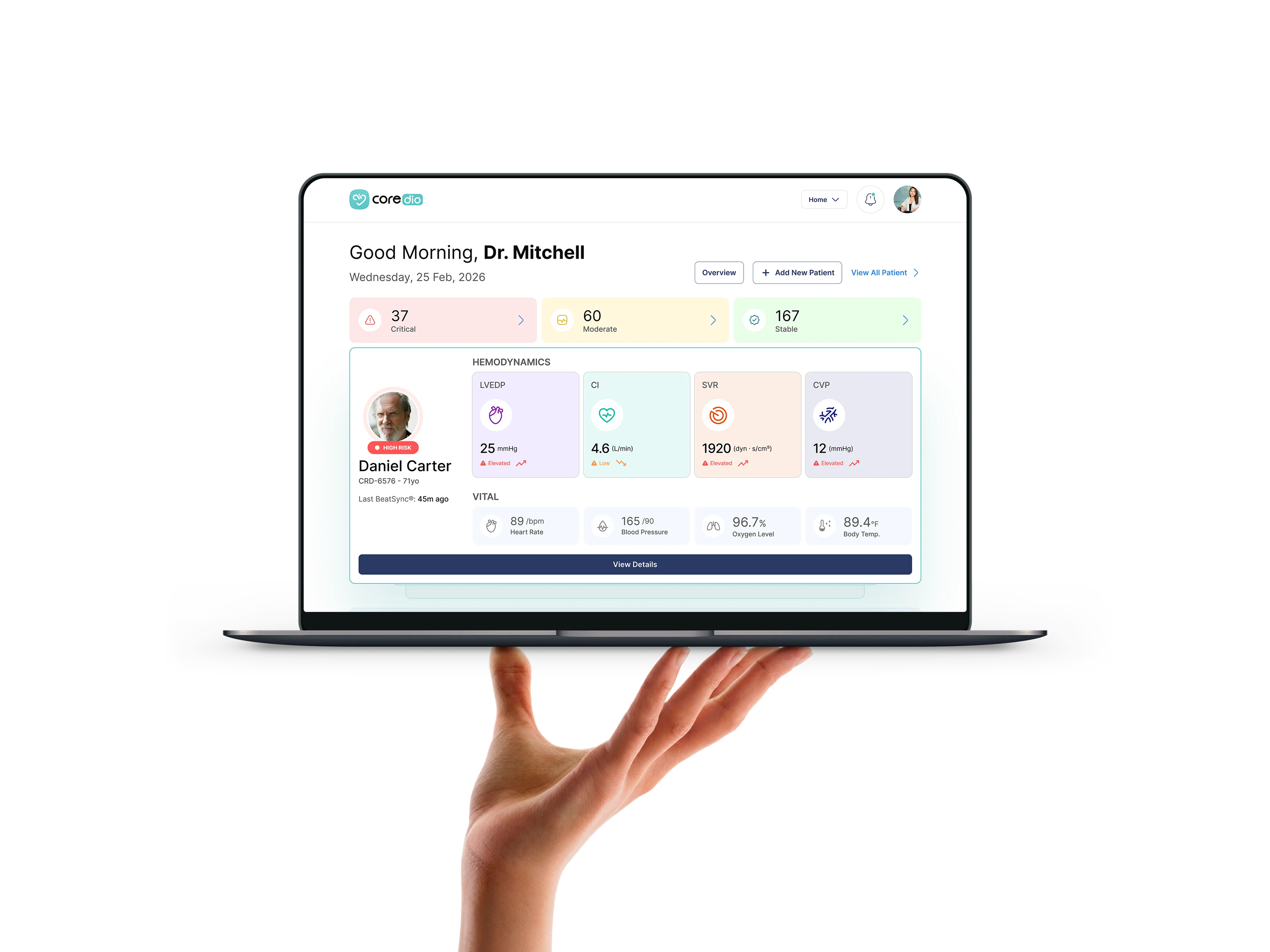
A short setup fits our model to each patient. After that, Coredio can estimate four values inside the heart using only watch signals and a cuff reading.
The engine
Physics sets the rules. Machine learning fits them to each patient.




A model of the circulation
CPSE models the heart and blood vessels as one connected system, where pressure and flow follow the laws of physics.
The four values we report
Each one is checked against a threshold that is adjustable per patient and per metric.
LVEDP
mmHg
Left ventricular end-diastolic pressure. The pressure in the heart just before it pumps. It rises as fluid builds up.
Above threshold: Elevated
CVP
mmHg
Central venous pressure. The pressure of blood returning to the right side of the heart. It shows fluid levels and right heart strain.
Above threshold: Elevated
CI
L/min/m²
Cardiac index. How much blood the heart pumps for the patient's body size. With LVEDP, it tells fluid build-up apart from poor blood flow.
Below threshold: Reduced
SVR
L/min/m²
Systemic vascular resistance. How hard the heart has to push against the vessels. A rising trend means it is working harder to pump the same amount.
Above threshold: Elevated


Setup is checked before the patient leaves.
Every reading is checked at the bedside, so nothing is missing when the patient goes home.
If something is missing, setup cannot be finished without a documented reason. Home monitoring starts once setup is complete.
Not started
In progress
Data missing
Data captured
Complete
Override


Frequently asked questions

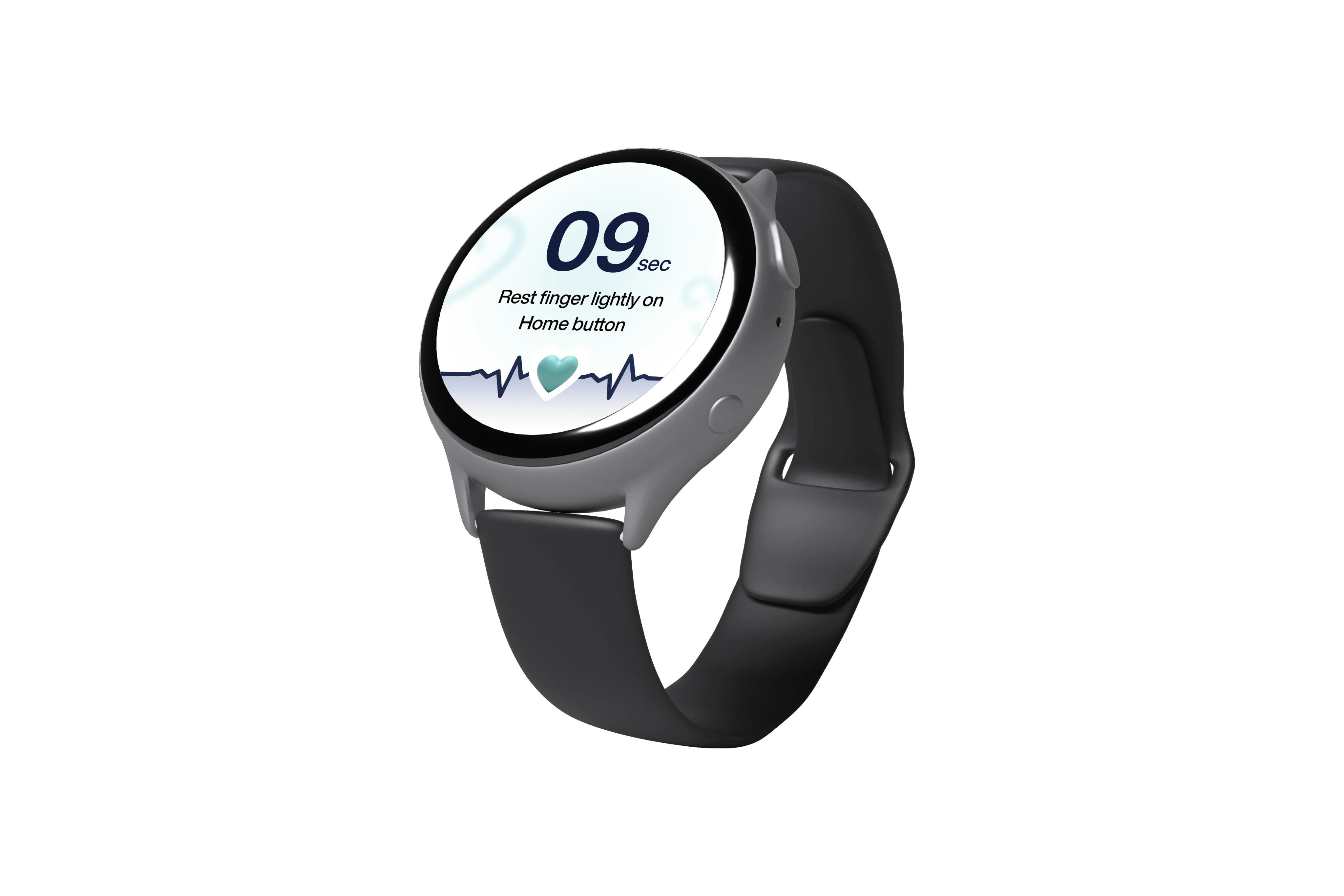
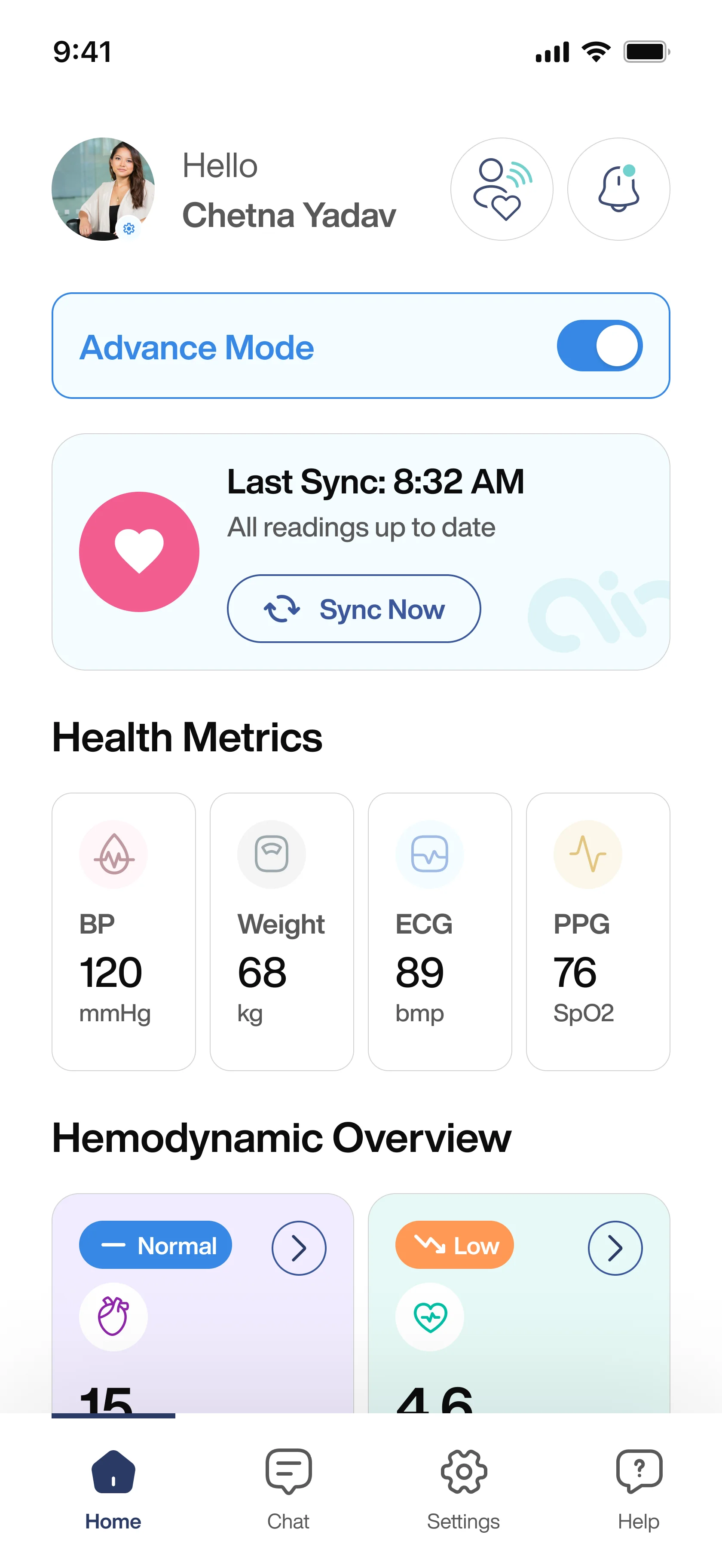

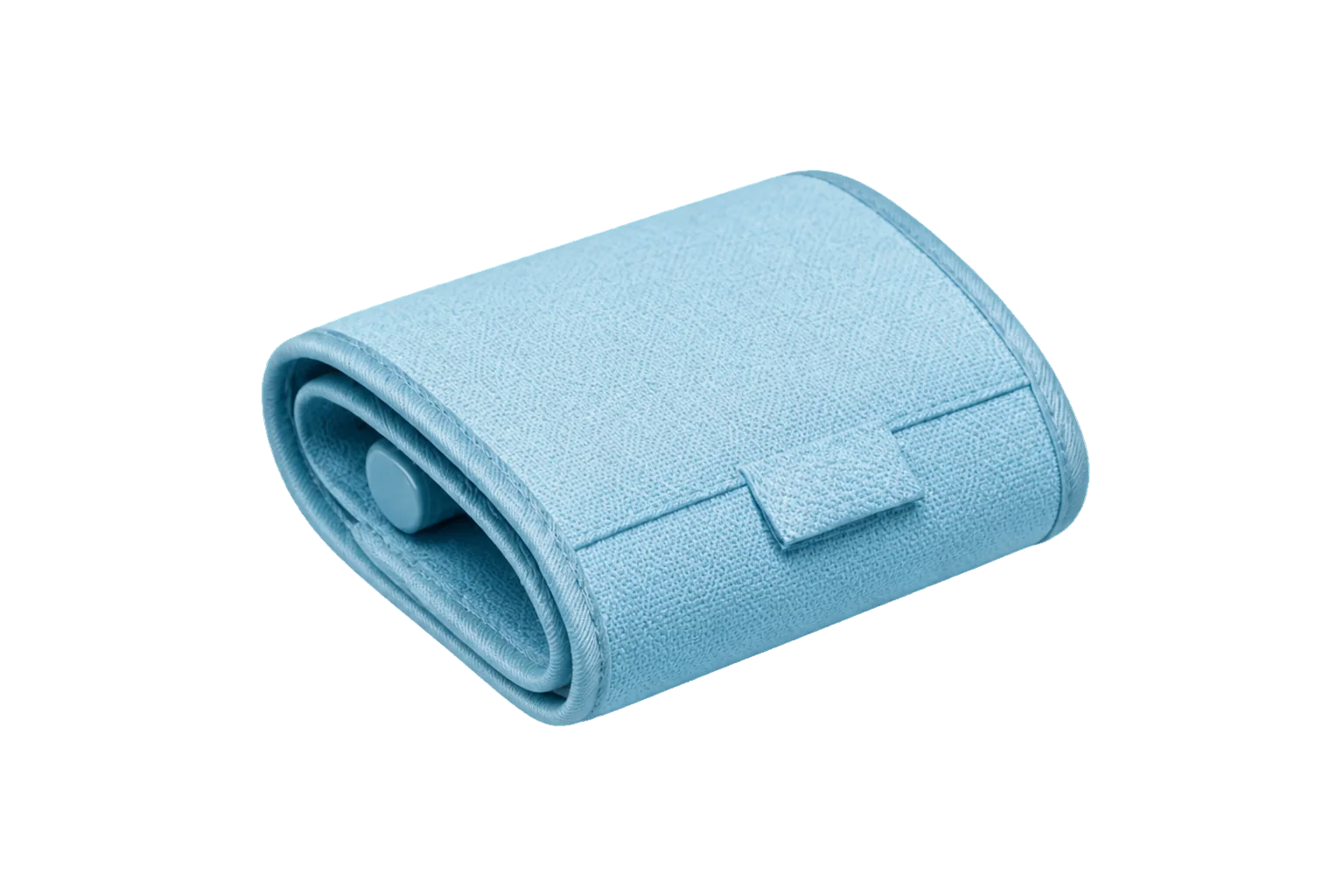
A compatible smartwatch and a blood pressure cuff. If you do not already have a watch, we provide one as part of the home setup.

Connect with the Coredio team
Join the clinicians exploring a better way to monitor heart failure
FDA | Disclaimer:
Coredio CPSE™ has received FDA Breakthrough Device Designation. The device is not yet cleared by the FDA for commercial use. Indications for Use are subject to FDA review under the 510(k) process.